Jan 26, 2026
/
3 min read
Beyond Aesthetics: Why Startups Fail Without a Design System
Discover how creativity and technology are transforming modern design with AI tools, virtual reality, and generative design, reshaping creative processes and future trends.
Share this article
Beyond Aesthetics: Why Startups Fail Without a Design System
When most startups think about design, they think about how their product looks. Clean screens, nice colors, smooth animations. But what many founders don’t realize is that design is also an operational tool. And without a solid design system in place, products don’t just look inconsistent, they become expensive, slow to scale, and harder to maintain.
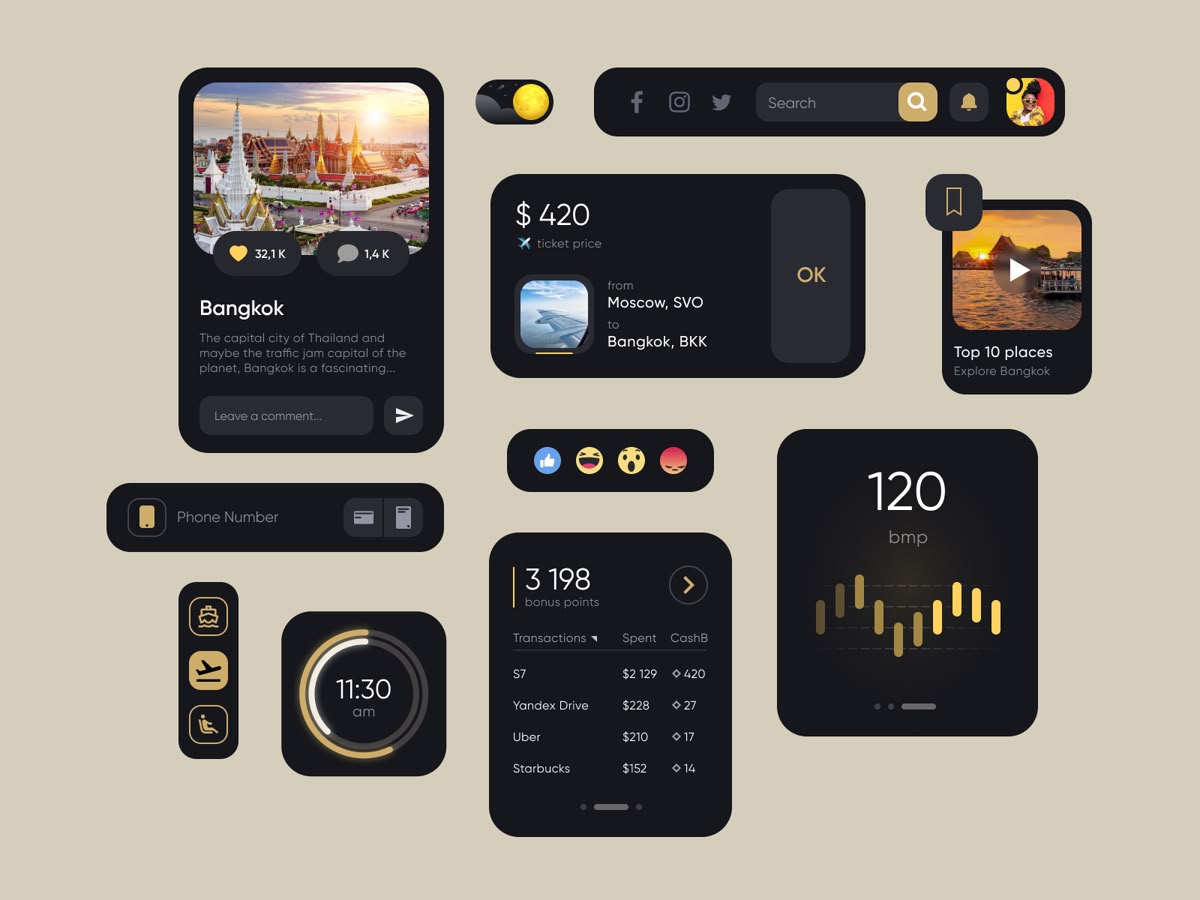
A design system goes far beyond visuals. It’s a shared language between designers, developers, and product teams. It defines components, spacing, typography, colors, behaviors, and patterns that can be reused across an entire product. When done right, it removes chaos from product development.
The Hidden Cost of Design Debt
Just like technical debt, design debt builds up when teams make quick fixes without structure. One button looks slightly different on another screen. Spacing changes depending on who designed the feature. Forms behave differently across pages.
At first, it feels harmless. But as the product grows, these small inconsistencies slow everything down.
Designers spend time recreating components that already exist. Developers write custom code for things that should be reusable. Bugs appear because patterns aren’t standardized. Over time, shipping new features becomes slower and more expensive.
This is where many startups struggle. Not because their idea is bad, but because their product becomes harder to manage.

Consistency Builds Trust and Speed
Users may not consciously notice design consistency, but they feel it.
When navigation behaves the same everywhere, users learn faster. When buttons look and act consistently, people trust the product more. When layouts follow predictable patterns, users make fewer mistakes.
From a business side, consistency means faster development.
Instead of redesigning and rebuilding every new feature from scratch, teams pull from an existing library of components. This speeds up design, shortens development time, and reduces errors.
Scaling Without Breaking Your Product
Most startups move fast in the early stages. But when growth happens, things start breaking.
New designers join and create their own styles. New developers build components differently. The product becomes messy, inconsistent, and difficult to maintain.
A design system protects you from this.
It allows new team members to plug into an existing structure instead of reinventing things. It keeps the product clean as features grow. And it ensures the experience feels unified no matter how large the platform becomes.
Design Systems Are a Business Tool, Not a Luxury
Many early stage founders skip building a design system because it feels like extra work.
In reality, not having one is what becomes expensive.
A design system saves:
Time
Development cost
Design effort
Product inconsistency
User frustration
It turns design into a scalable process instead of a constant fire fighting exercise.
Startups that invest early in structure move faster in the long run.
Final Thoughts
Great design is not just about beautiful screens. It’s about building systems that make products easier to grow, cheaper to maintain, and better to use.
If your product is growing or you plan to scale, a design system isn’t optional. It’s a foundation.
Written by Musa Ehrunmusele Daniel
Read more