Feb 2, 2026
/
3 min read
The Gap Between Launching and Scaling: Why GTM Strategy Needs Design
Discover how creativity and technology are transforming modern design with AI tools, virtual reality, and generative design, reshaping creative processes and future trends.

Share this article
Launching a product is exciting. You’ve validated the idea, built the MVP, and finally put it in front of users. But for many startups, growth stalls shortly after launch. Signups slow down, acquisition costs rise, and retention becomes a challenge.
Often, the problem isn’t the product itself.
It’s the gap between Go to Market strategy and user experience.
Great GTM plans focus on messaging, channels, and pricing. But if the design doesn’t reflect the customer’s real pain points, even the best strategy will struggle to convert and scale.
Design Is the First GTM Touchpoint
Before users speak to sales, read a long feature list, or try the product, they interact with your design.
Your landing page, onboarding flow, and early product screens are where your value proposition is truly tested.
If the UI is confusing, slow, or unclear, users don’t care how good your solution is. They leave.
Strong design helps answer three questions immediately:
What is this product?
Who is it for?
How does it solve my problem?
When those answers aren’t clear visually and experientially, conversion drops.
Using UI to Test and Validate Value Propositions
One of the fastest ways to validate a GTM strategy is through design experiments.
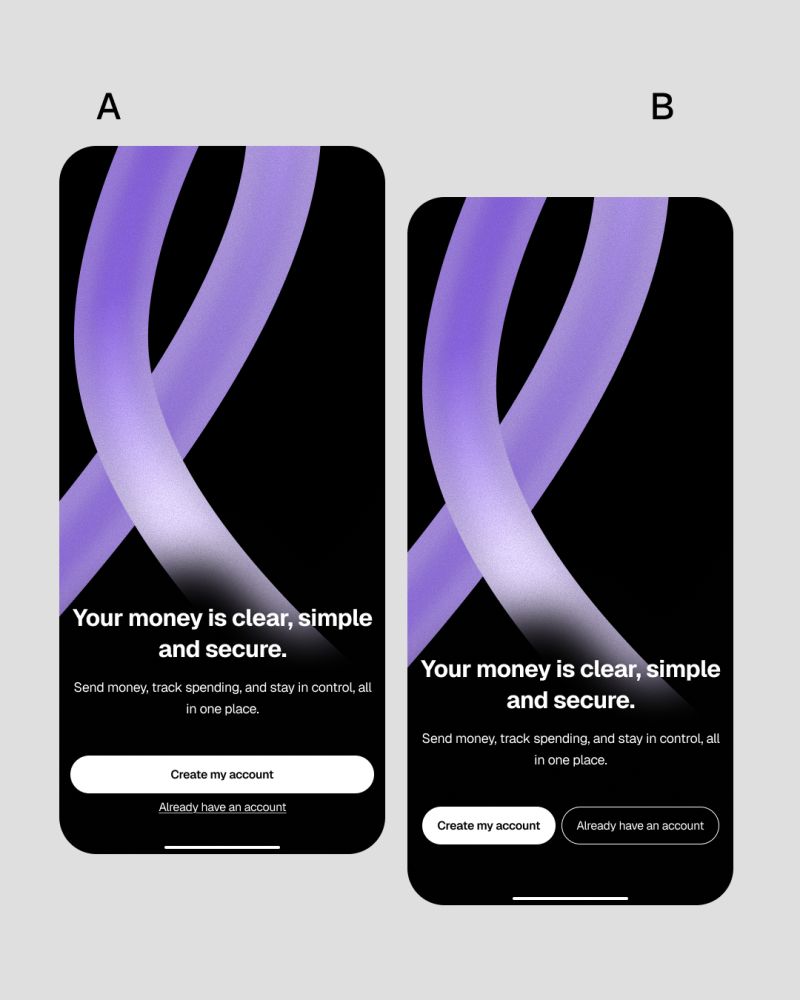
Landing pages are powerful testing tools. By adjusting layouts, messaging hierarchy, CTAs, and user flows, teams can quickly learn what resonates with their target audience.
For example:
Which pain point headline converts better?
Does a product demo section increase signups?
Do users respond more to pricing clarity or feature benefits?
Instead of guessing, design backed by analytics turns GTM into a data driven process.
Every UI decision becomes a growth experiment.
Lowering CAC Through Better UX
Customer Acquisition Cost doesn’t only depend on ads and marketing spend. It’s heavily influenced by how easy it is for users to understand and adopt your product.
Poor UX creates friction:
Long onboarding processes
Confusing navigation
Unclear next steps
Hidden value
Each friction point increases drop off and wastes marketing budget.
Aligning Sales, Marketing, and Product Through Design
Another common scaling problem is misalignment.
Marketing promises one experience.
Sales demos another.
The product delivers something different.
This disconnect hurts trust.
A unified visual and UX system keeps everyone aligned. From landing pages to in app experiences to sales materials, the product feels consistent and intentional.
Design systems and shared UX principles ensure:
Messaging stays clear across channels
Brand feels trustworthy and professional
Users don’t feel confused switching touchpoints
When design supports GTM, growth becomes smoother and more predictable.
Scaling Is Where Design Strategy Matters Most
Early stage products can survive with rough edges. But growth stage startups can’t.
As traffic increases, teams grow, and new features ship, experience complexity increases fast. Without intentional design tied to GTM goals, the product becomes harder to sell and harder to use.
Design at scale is about:
Guiding users clearly to value
Supporting marketing promises
Reducing friction at every stage
Maintaining trust as the product grows
This is where UX becomes a growth tool, not just a creative function.
Final thoughts
A strong Go to Market strategy brings users in.
Great design keeps them engaged, converting, and loyal.
When UX aligns with customer pain points, value propositions, and growth goals, scaling becomes easier and more cost effective.
The gap between launching and scaling isn’t just marketing.
It’s experience.
And the startups that bridge that gap with thoughtful design are the ones that win.
Written by Musa Daniel Ehrunmusele
Read more